
What Causes Auroras? Solar Physics Behind the Lights

What causes auroras? Solar particles, Earth’s magnetic field, and high-altitude gases create the Northern and Southern Lights and set viewing odds for skywatchers.
What causes auroras? Solar particles, Earth’s magnetic field, and high-altitude gases create the Northern and Southern Lights and set viewing odds for skywatchers.

Why do launch times change? Learn how weather, range safety, orbital windows, and rocket readiness move liftoff – and how to track the next live attempt.
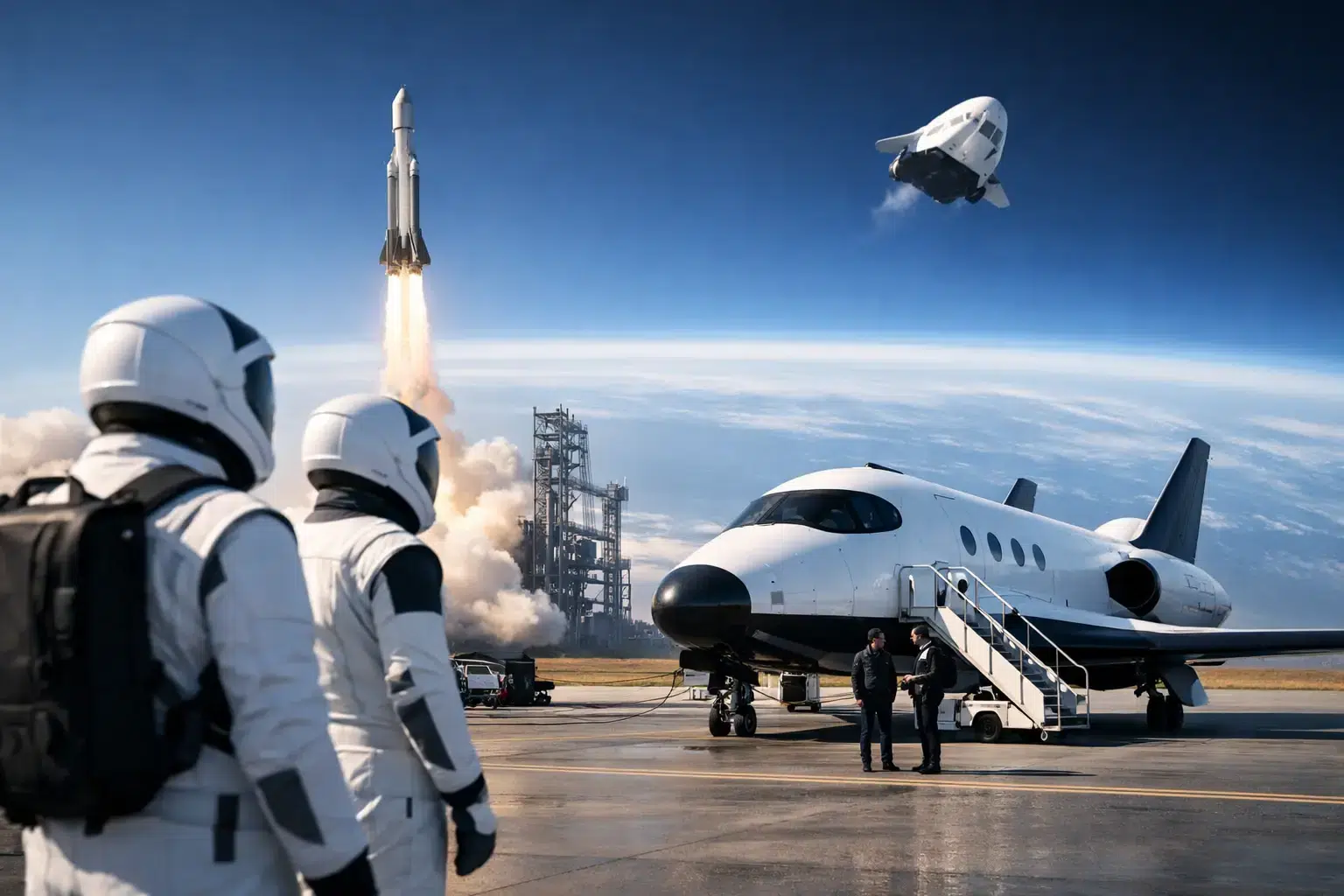
Commercial spaceflight turns launches into events you can track live, from orbital altitude and reentry timing to the next visible rocket plume today.

Artemis mission timeline explained: key flights, dates, distances, and the moon-landing sequence, from Artemis I to the planned Artemis IV mission ahead.

Check moonset times by date for your location, understand the timing shifts, and plan better lunar photos, stargazing sessions, and eclipse views for tonight.

Aurora forecast versus cloud cover: learn which signal matters most, how to read KP, Bz, and local skies, and when to head outside for northern lights.

Use the best eclipse travel checklist to plan safe viewing, track weather, pack the right gear, and build a smart backup route for totality with confidence.

Our planetarium software review explains what sky apps get right, where precision fails, and how to plan tonight’s observing session with clear confidence.

Learn how to read orbital altitude on live trackers, compare LEO, MEO, and GEO, and turn kilometers into smarter ISS and satellite viewing plans.

Orbital debris circles Earth at extreme speed, affecting satellites, launches, and the night sky. See what is tracked, what burns up, and why it matters.