
Moonrise Calculator for Tonight’s Best Viewing
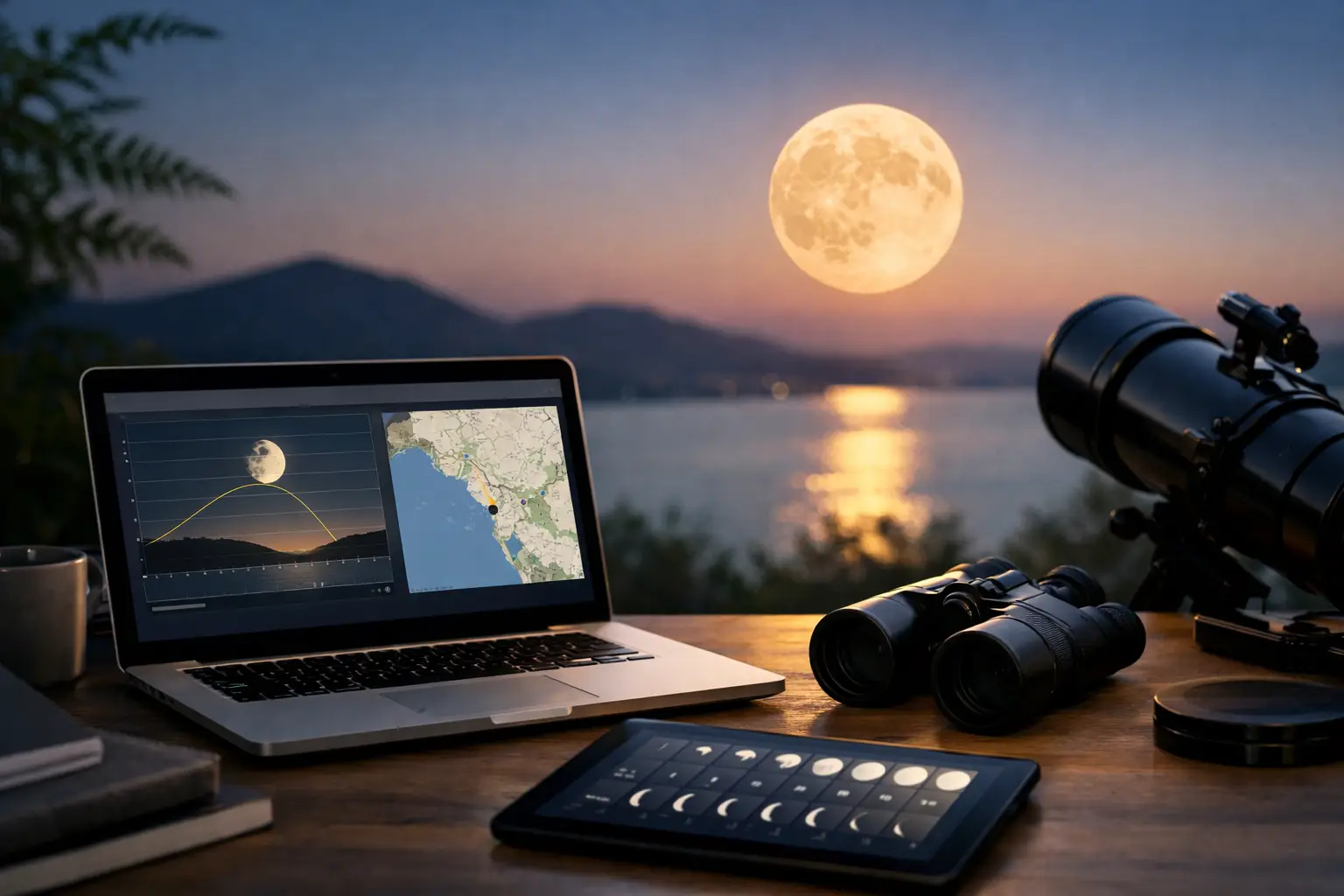
A moonrise calculator gives local rise time, direction, phase, altitude, and sky conditions so you can plan a better night under the Moon with confidence.
A moonrise calculator gives local rise time, direction, phase, altitude, and sky conditions so you can plan a better night under the Moon with confidence.

Starlink pass times explained: learn when satellites appear, how brightness and elevation shape visibility, and how to plan a better skywatch with confidence.

This ISS tracker tool review explains live position, pass alerts, visibility forecasts, and the orbital data that turns a flyover into a planned watch.
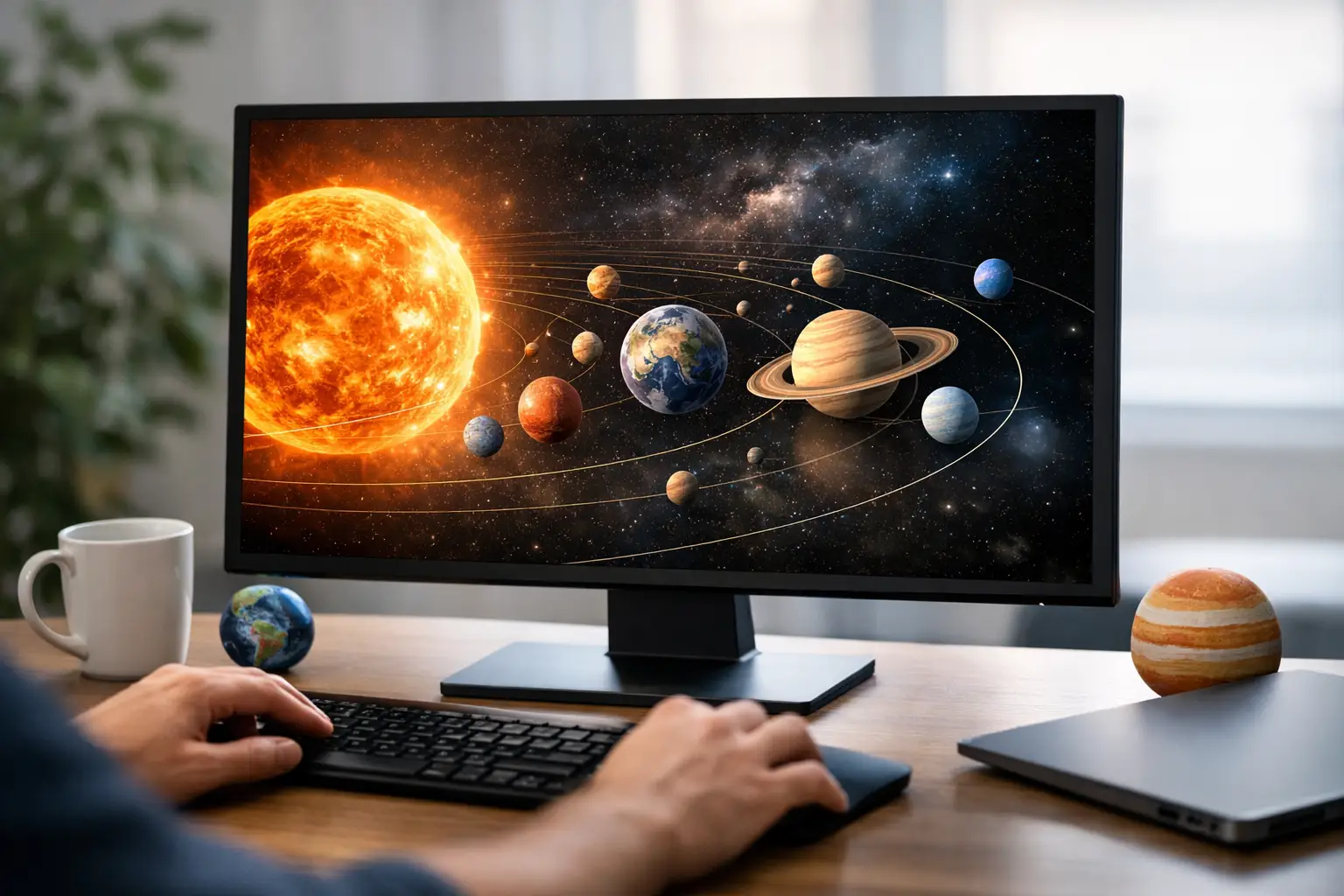
Our solar system simulator review explains the live data, viewing controls, and accuracy checks that turn a moving model into a real observing tool today.
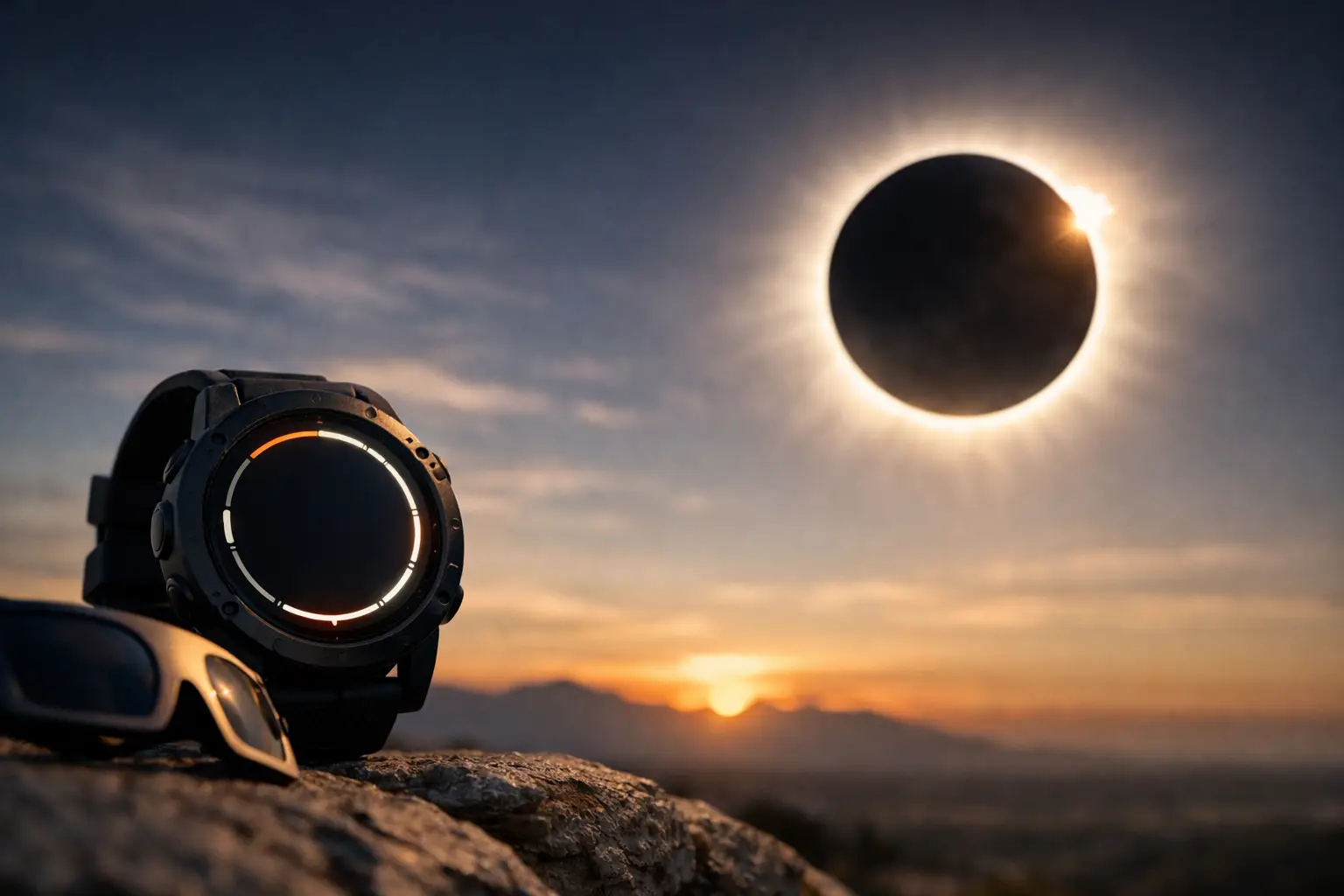
Use an eclipse timer to track contact times, totality, and viewing windows for the August 12, 2026 total solar eclipse across Greenland, Iceland, and Spain.
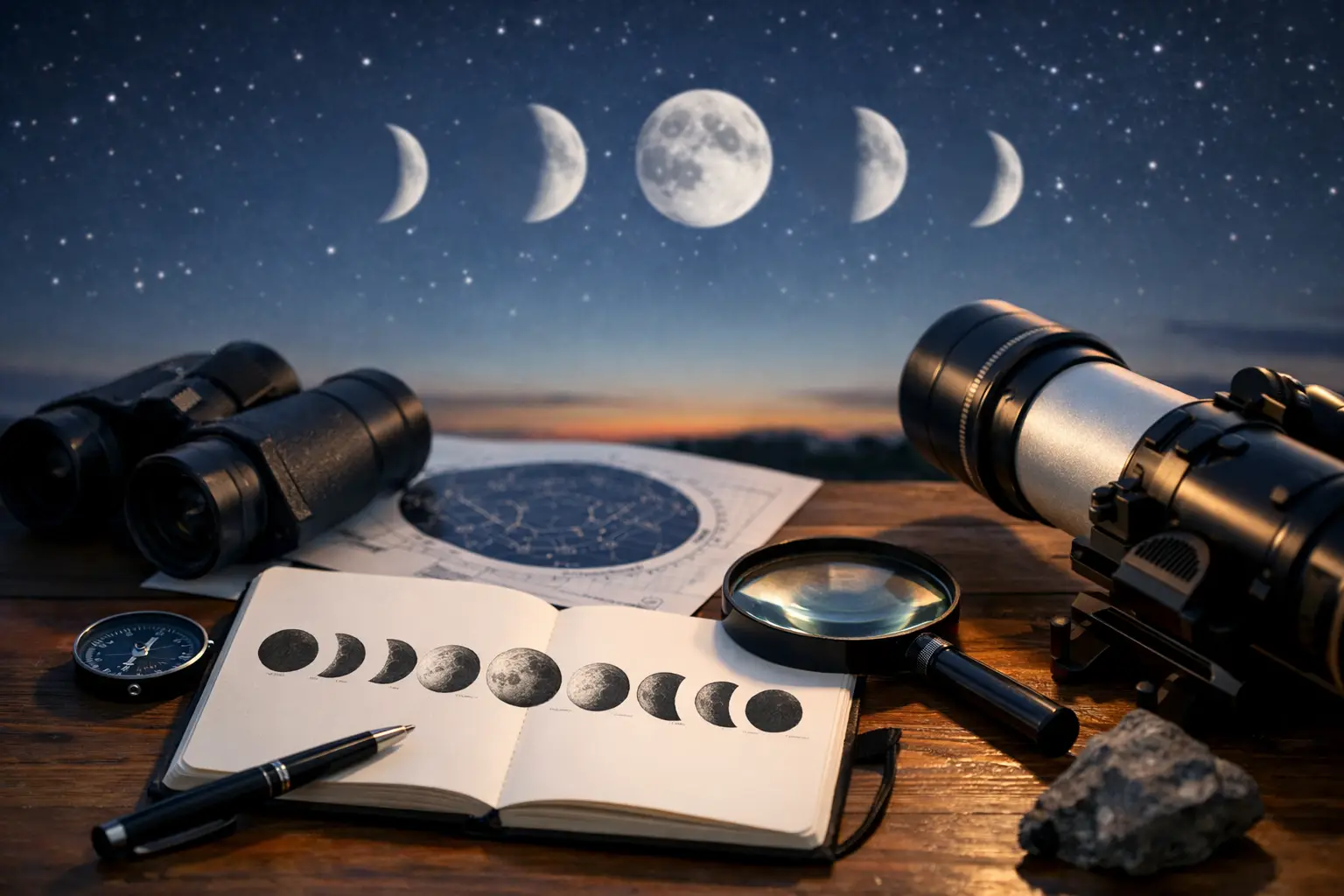
Learn how to read moon phases with a sky-first field method: identify illumination, rise and set timing, direction, and the Moon’s 29.53-day cycle fast.
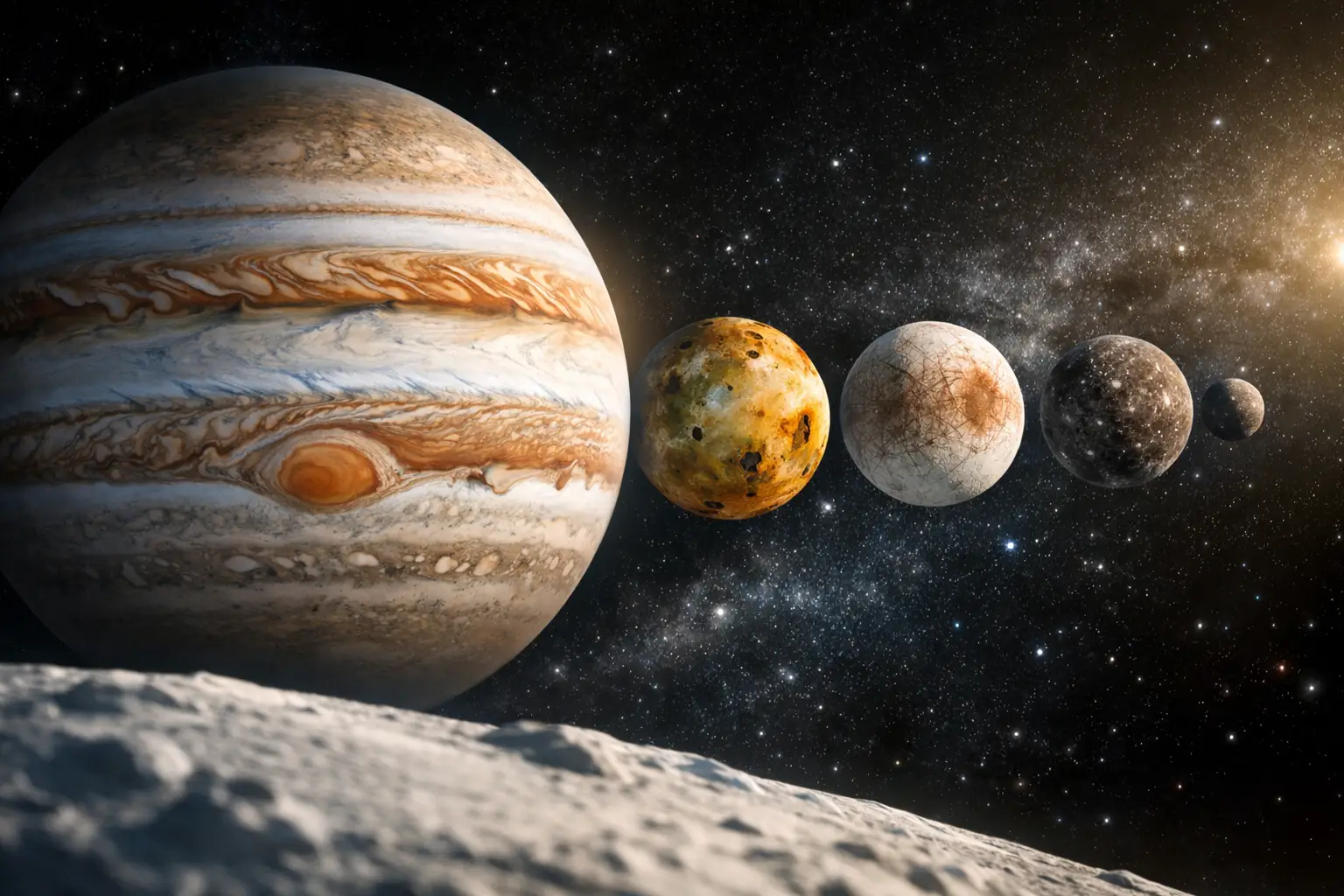
Track Jupiter’s moons from your backyard: learn their real sizes, orbital clocks, and telescope settings that reveal four living worlds after dark.

Learn how to plan eclipse timing with local contact times, Sun altitude, weather buffers, and a field-tested countdown for solar and lunar events safely.
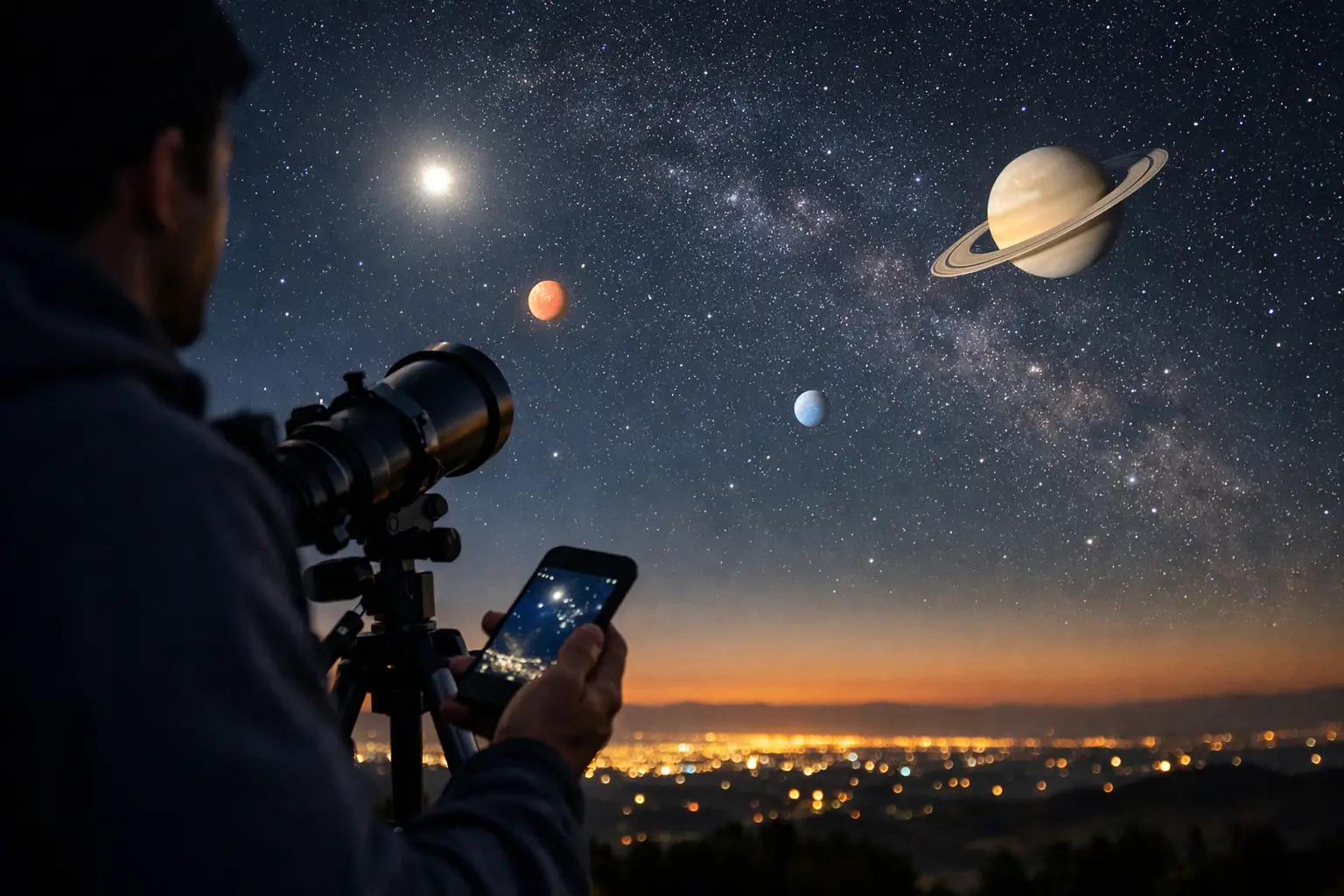
Learn how to find planets tonight with a location-based sky plan, horizon rules, brightness checks, and timing for reliable backyard viewing anywhere.
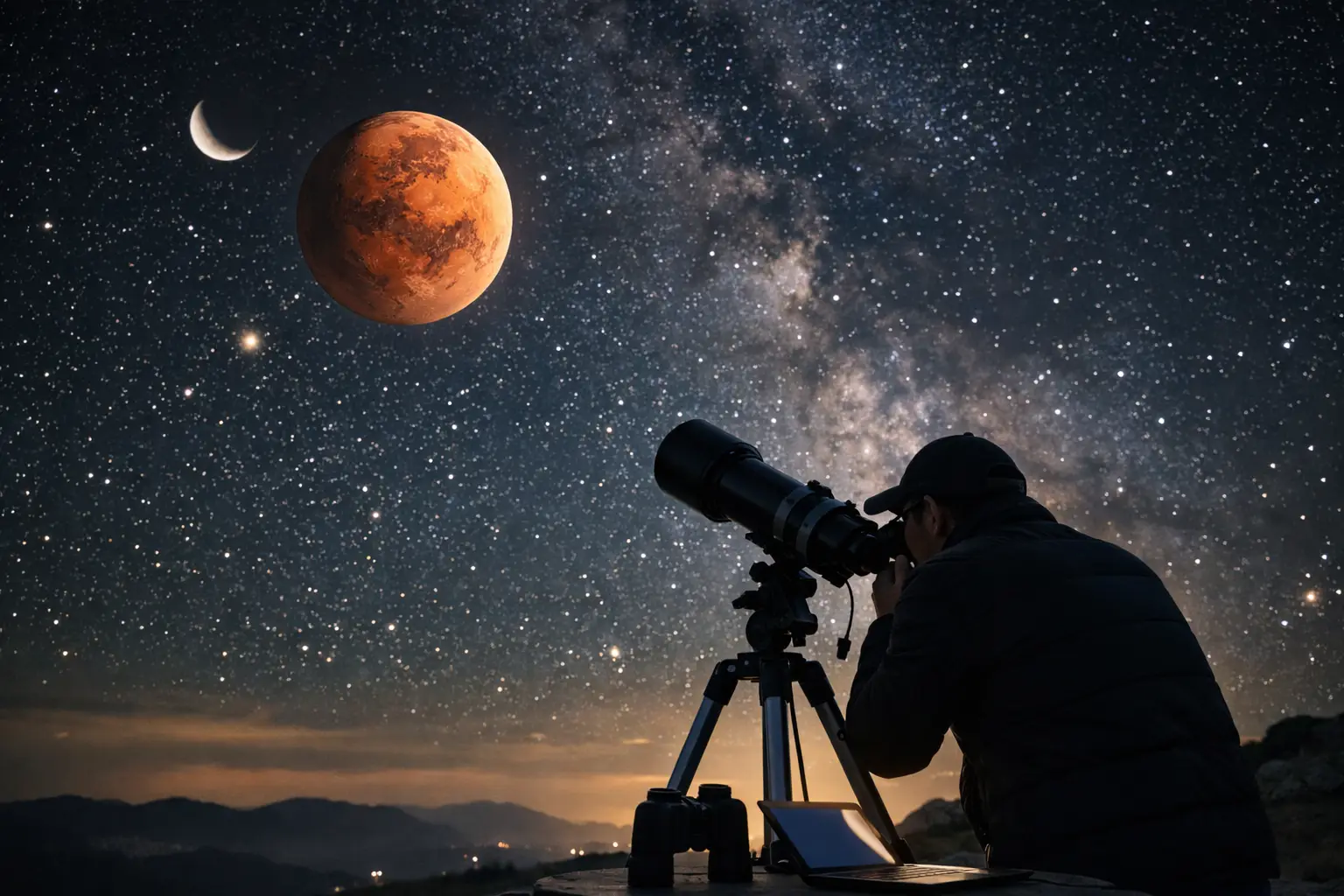
Planet Mars is a changing target in the night sky. Track its distance, opposition cycle, missions, seasons, and practical ways to spot the Red Planet.