
Greenland Live Tracker provides real-time satellite views, space weather conditions, aurora risk and Arctic environmental monitoring in one live dashboard.
🧊 Greenland Live Tracker
Real-time Space Weather, Arctic Conditions & Satellite Monitoring
Calm Space Weather
No current space weather impact over Greenland.
Greenland Monitoring Overview
Live data updates regularly from space weather & satellite sources.
Greenland – Satellite View (Arctic Region)
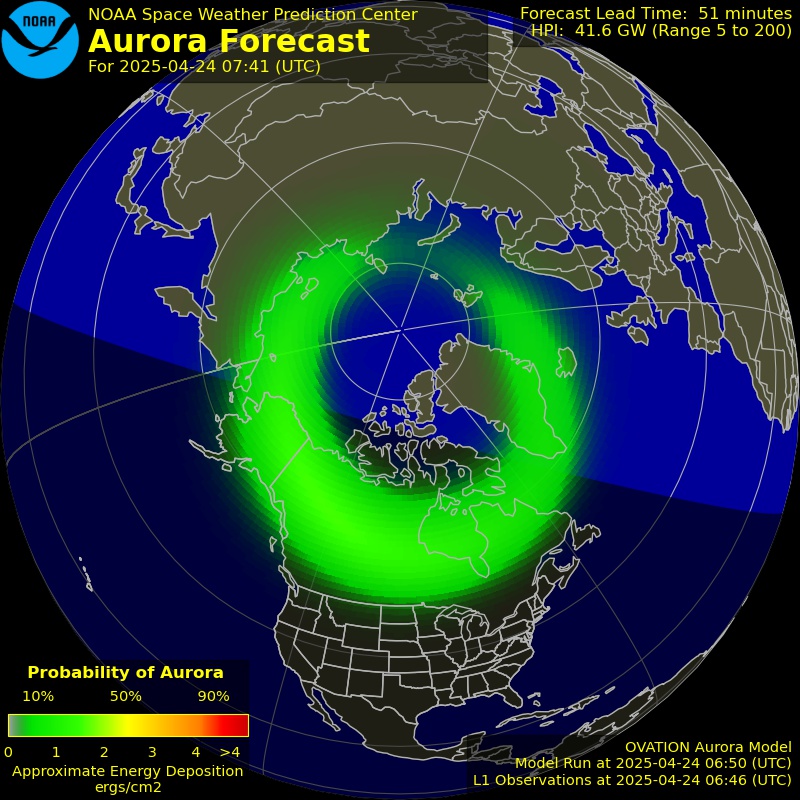
Data sources: NOAA · Space Weather Prediction Center · Polar Orbiting Satellites
Strategic & Scientific Monitoring Overview
| Factor | Current Status | Monitoring Impact |
|---|---|---|
| 🛰️ Pituffik Space Base | ● Fully Operational | Primary US Space Force radar for missile warning and satellite tracking. |
| 💎 Critical Minerals | ● Exploration Phase | Monitoring of rare earth element deposits vital for global tech supply chains. |
| 🌌 Auroral Activity | ● High (Solar Max) | Increased geomagnetic storm frequency impacting polar radio comms. |
| 🚢 Arctic Sea Routes | ● Increasing Traffic | Real-time ice melt monitoring for new transatlantic shipping lanes. |
| 🇩🇰 Sovereignty Status | ● Kingdom of Denmark | Strategic framework agreement with USA (Updated Jan 2026). |
Greenland Live Tracker – Real-Time Satellite, Space Weather & Arctic Monitoring
Greenland Live Tracker is a real-time monitoring hub designed to provide up-to-date satellite imagery, space weather conditions, aurora activity, and Arctic environmental data focused specifically on Greenland. Due to its unique geographic position in the High Arctic, Greenland plays a critical role in global space weather monitoring, satellite coverage, climate observation, and geopolitical awareness.
This page combines authoritative data sources, live updates, and expert context into a single dashboard, making it a reliable reference for researchers, journalists, space enthusiasts, and anyone searching for Greenland live data.
Why Greenland Is So Important for Live Monitoring
Greenland is the world’s largest island and sits directly beneath the auroral oval, making it one of the most active regions on Earth for geomagnetic and space weather phenomena. Its position between North America and Europe places it at the center of:
- Polar satellite orbits
- Space weather impact zones
- Arctic climate systems
- Transatlantic flight paths
- Strategic early-warning and radar coverage
Because of this, real-time monitoring of Greenland is essential for understanding solar storms, satellite disruptions, GPS accuracy, and aurora visibility across the Northern Hemisphere.
Real-Time Satellite Imagery Over Greenland
The Greenland Live Tracker integrates near-real-time satellite imagery covering the Arctic region. These images allow users to observe:
- Large-scale cloud formations over Greenland
- Aurora activity during geomagnetic storms
- Space weather effects near the polar cap
- Changes in Arctic atmospheric conditions
Satellite coverage over Greenland is especially valuable because polar regions are among the first to experience the effects of solar storms and geomagnetic disturbances.
Space Weather and Aurora Activity in Greenland
Greenland is one of the best places on Earth to observe auroras. When solar activity increases, charged particles interact with Earth’s magnetic field, producing visible auroral displays over Greenland.
The tracker monitors the geomagnetic Kp index, which is widely used by scientists and space weather agencies to estimate aurora strength and visibility.
- Low Kp levels indicate calm space weather
- Moderate Kp levels can trigger auroras in northern Greenland
- High Kp levels may result in intense aurora activity across the entire island
Because space weather can affect satellites, aviation, and communications, Greenland is often used as a reference region by international monitoring agencies.
Greenland, Denmark, and Strategic Monitoring
Greenland is an autonomous territory within the Kingdom of Denmark, and Denmark plays a central role in Arctic research, satellite coordination, and environmental monitoring in the region.
Danish and international institutions use Greenland-based data to study:
- Arctic climate change
- Ice sheet dynamics
- Space weather effects on high-latitude infrastructure
This makes Greenland a key data source not only for Denmark, but for Europe and NATO-aligned monitoring networks.
Greenland and U.S. Strategic Interest
Greenland has also attracted long-standing strategic interest from the United States due to its geographic location. The island hosts critical infrastructure related to space surveillance and early-warning systems.
Public interest in Greenland surged globally during the Trump administration, when Greenland’s strategic importance was widely discussed in international media. While Greenland remains part of the Kingdom of Denmark, these discussions highlighted how vital the island is for:
- Space and satellite monitoring
- Arctic security
- Transatlantic defense positioning
As a result, search interest around “Greenland live”, “Greenland satellite”, and “why Greenland is strategic” continues to spike during periods of geopolitical tension or increased space activity.
Trusted Data Sources and Accuracy (EEAT)
This tracker is built using publicly available data from authoritative institutions, including:
- NOAA – Space Weather Prediction Center
- Polar-orbiting satellite systems
- International space weather monitoring agencies
All displayed data is observational, non-political, and updated frequently to ensure accuracy. The goal of this page is to provide factual, verifiable information with a strong emphasis on transparency and reliability.
Who Uses the Greenland Live Tracker?
- Space weather researchers
- Aviation and satellite professionals
- Journalists covering Arctic or space-related topics
- Aurora chasers and photographers
- Students and educators
- Users searching for Greenland live satellite images
The page is designed to be accessible to both professionals and the general public.
Related Arctic & Space Trackers
If you are monitoring Greenland’s strategic position or space weather, you may also find these live tools useful for a complete overview of the High North:
- 🌌 Northern Lights Live Tracker: Monitor real-time Aurora activity across the entire Arctic circle, including Tromsø and Reykjavik.
- 🛰️ ISS Live Tracker: Track the International Space Station as it passes over the polar regions.
- 📡 Satellite Tracker: View live positions of communication and surveillance satellites currently orbiting over Greenland.
- ✨ Starlink Tracker: See the density of SpaceX’s Starlink constellation, which provides critical internet coverage in the Arctic.
- 🗺️ Light Pollution Map: Find the best locations in Greenland and the Nordics for clear-sky observations.
Frequently Asked Questions (FAQ)
Is the Greenland Live Tracker updated in real time?
Yes. The tracker uses frequently updated satellite imagery and space weather data. Refreshing the page ensures you see the latest available information.
Why is Greenland important for space weather monitoring?
Greenland lies directly beneath the auroral oval and within the polar cap, making it one of the first regions affected by solar storms and geomagnetic disturbances.
Can auroras be seen in Greenland tonight?
Aurora visibility depends on space weather conditions, cloud cover, and solar activity. High geomagnetic activity significantly increases aurora visibility across Greenland.
Why is Greenland strategically important?
Greenland’s geographic location between North America and Europe makes it vital for satellite tracking, early-warning systems, and Arctic monitoring. This importance has been highlighted by both Denmark and the United States.
Is this tracker political?
No. This page provides factual, data-driven monitoring information only. Any historical or geopolitical context is included purely for informational purposes.
Final Note
Greenland Live Tracker exists to deliver clear, accurate, and continuously updated information about one of the most important regions on Earth for space weather and Arctic monitoring. Whether your interest is scientific, educational, or observational, this page provides a reliable live overview of Greenland’s unique position on our planet.
⚠️ Strategic Update: January 2026 Context
As of January 2026, Greenland has entered a period of heightened geopolitical and strategic importance. Following renewed discussions regarding Arctic sovereignty and the 2026 tariff negotiations between the United States and Denmark, international focus on the region has reached an all-time high.
Note for Researchers: This tracker provides observational data for scientific and educational purposes. The current geopolitical climate highlights the necessity of real-time monitoring of Arctic conditions and satellite activity.