
Night Sky Event Tracker for Better Viewing
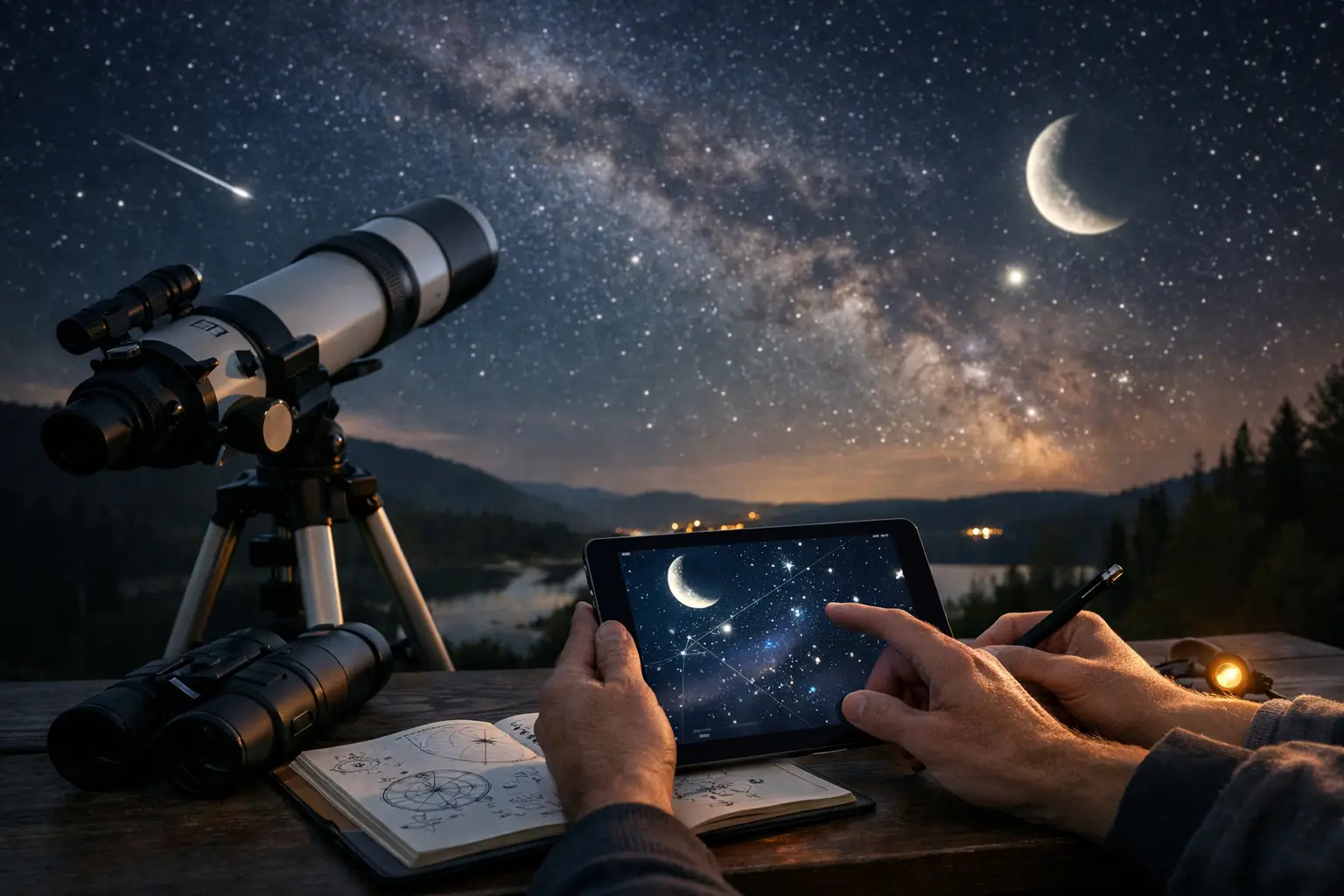
Use a night sky event tracker to catch meteor showers, eclipses, ISS passes, planets, and satellites with local times, directions, and altitudes above you tonight.
Use a night sky event tracker to catch meteor showers, eclipses, ISS passes, planets, and satellites with local times, directions, and altitudes above you tonight.
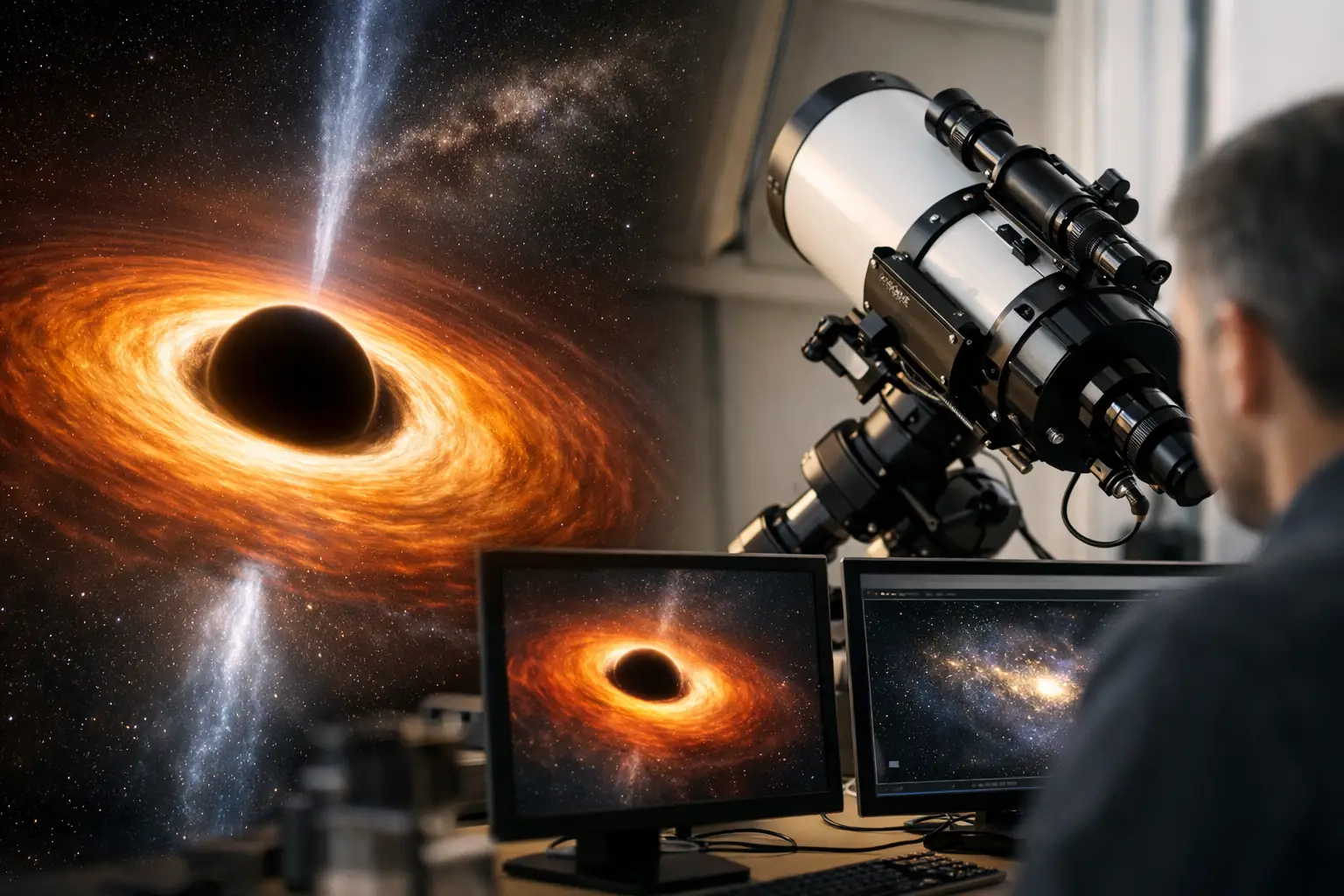
Black holes cannot be seen directly, but their gravity, hot disks, orbiting stars, and gravitational waves reveal where they are and how they behave.
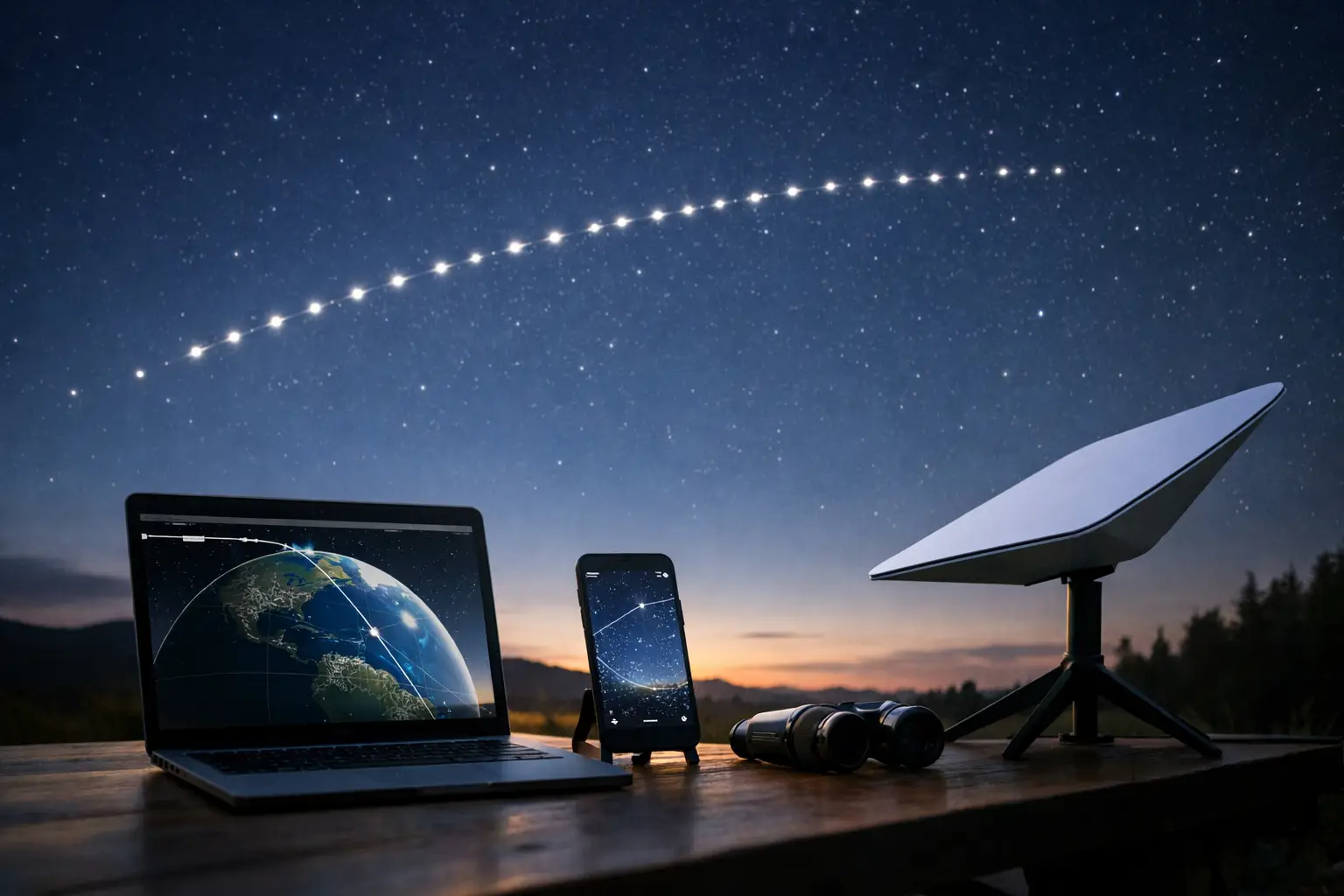
Use a Starlink tracker to see satellites cross your sky, read pass altitude and brightness, and plan a clear, minute-by-minute viewing window tonight.
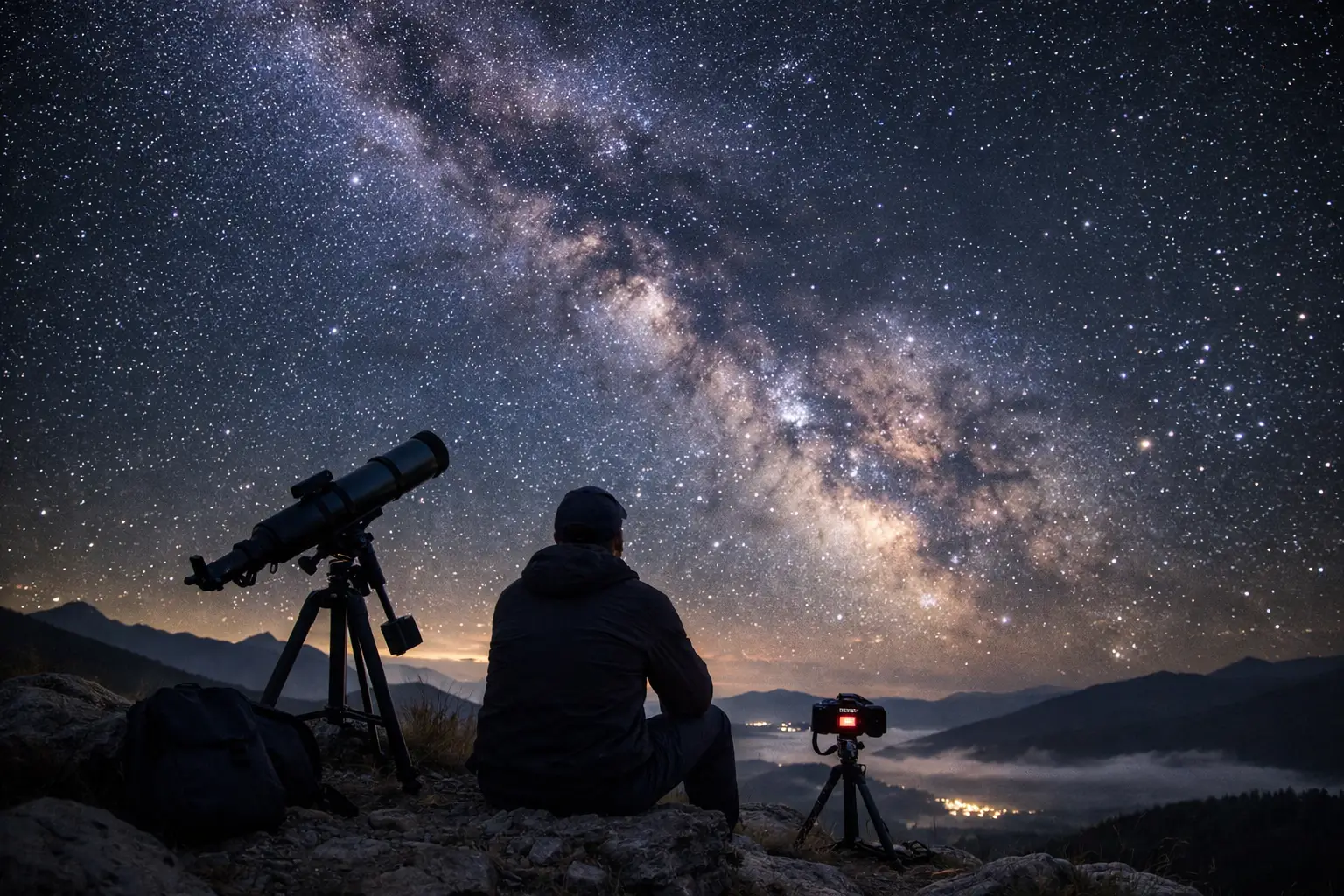
Plan a Milky Way night with core-season timing, U.S. latitude altitudes, moon limits, dark-sky targets, and camera settings for real results at dark sites.
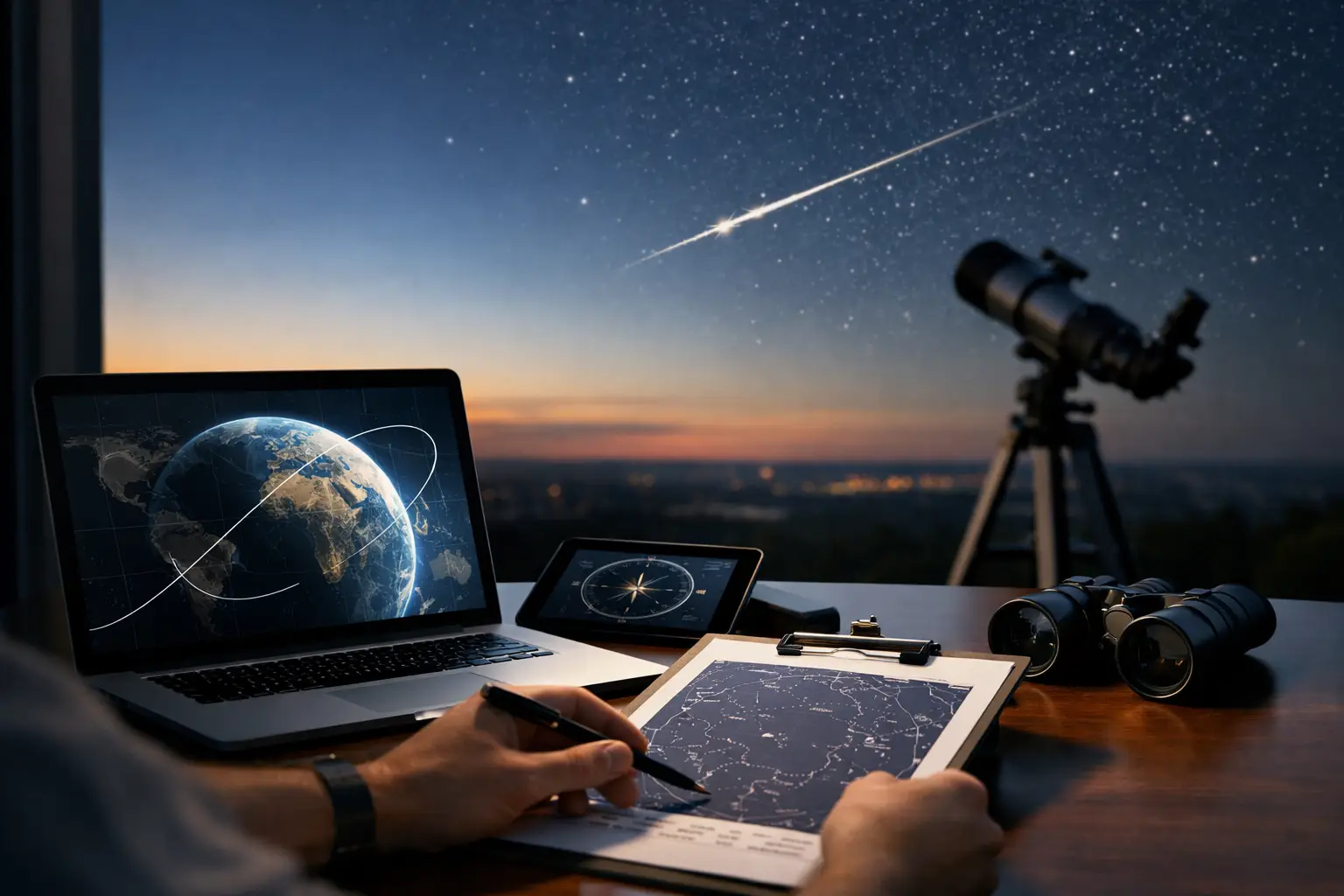
Learn how to predict ISS direction with orbital clues, pass maps, and a sky-reading method for brighter, better-timed sightings from your exact location.
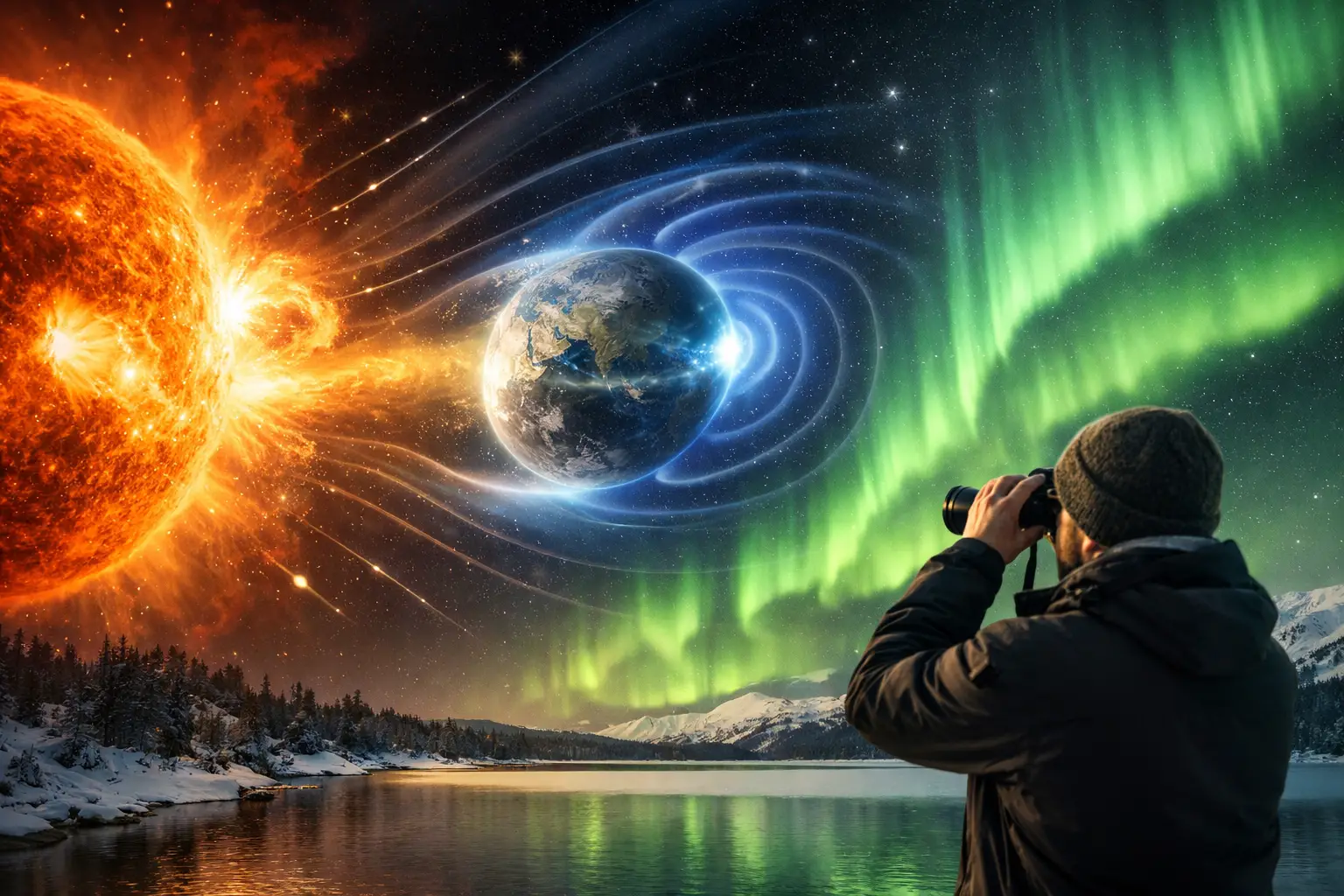
Track space weather from solar flare to aurora alert, understand NOAA storm scales, and know when geomagnetic activity can change your night sky locally.
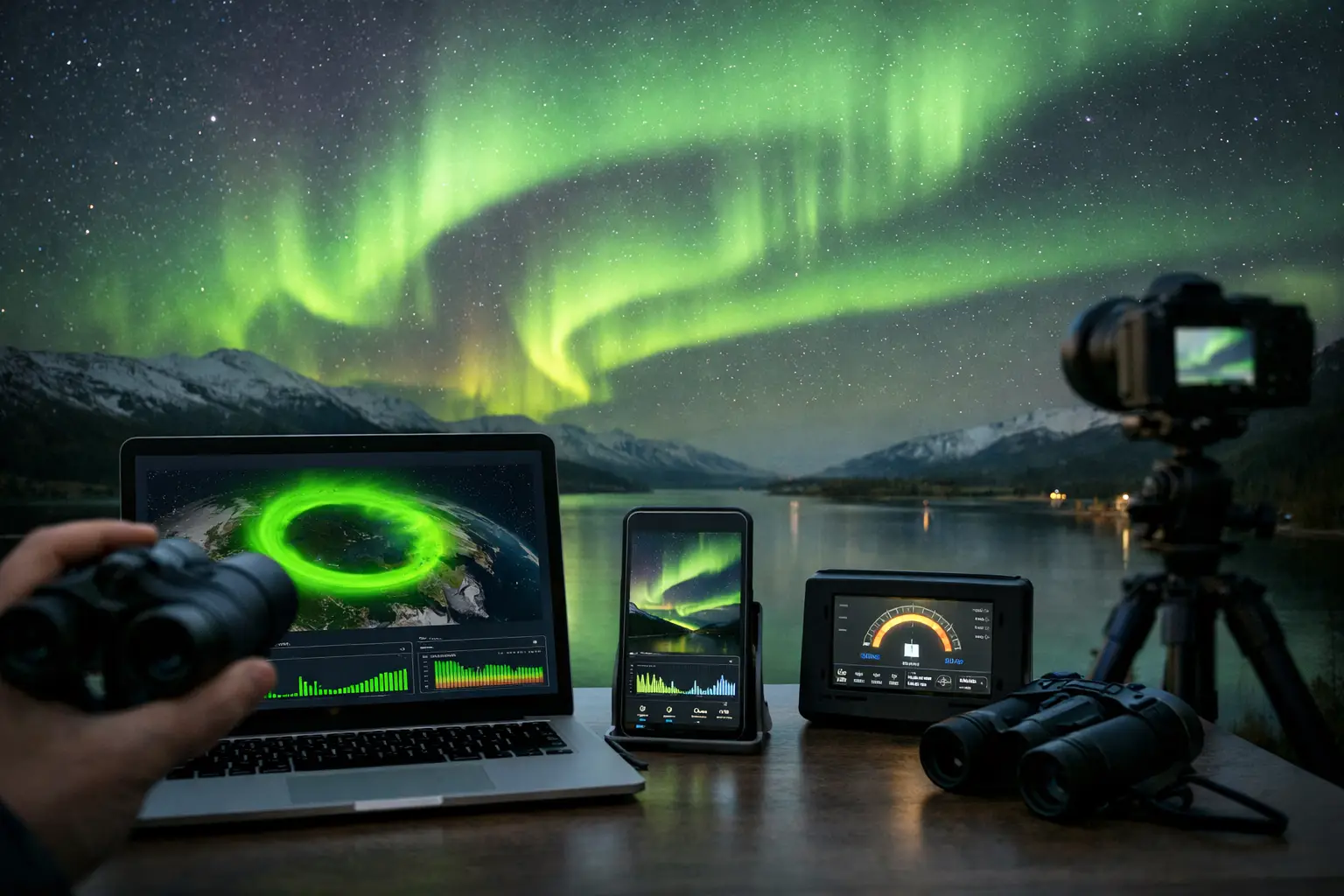
Can you see aurora tonight? Use live solar wind, Kp, cloud cover, and darkness timing to judge your chances of seeing the northern lights at your location.
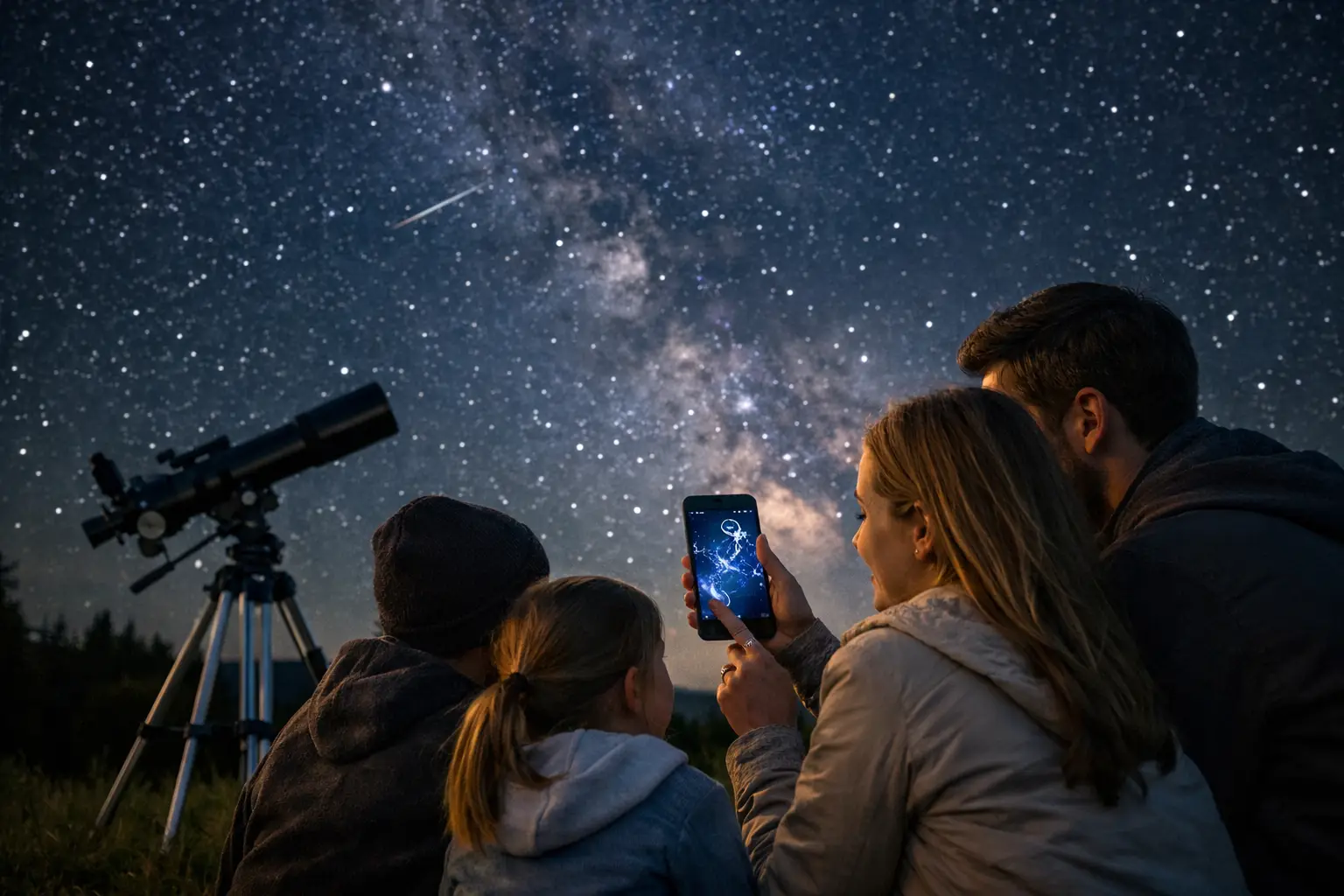
Find the best stargazing apps for families, with live sky maps, kid-friendly modes, costs, and field-tested tips for your next clear-night mission now.
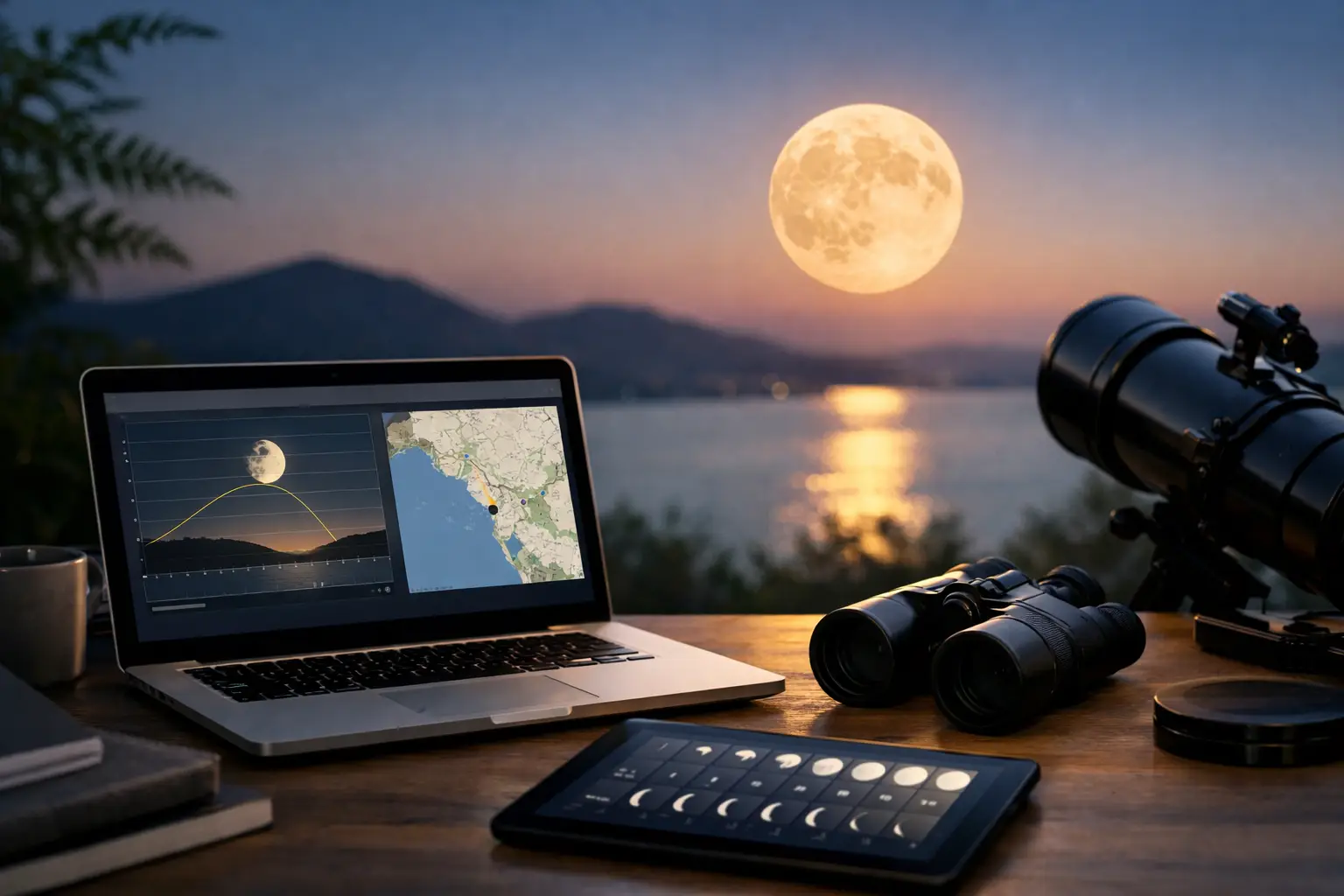
A moonrise calculator gives local rise time, direction, phase, altitude, and sky conditions so you can plan a better night under the Moon with confidence.
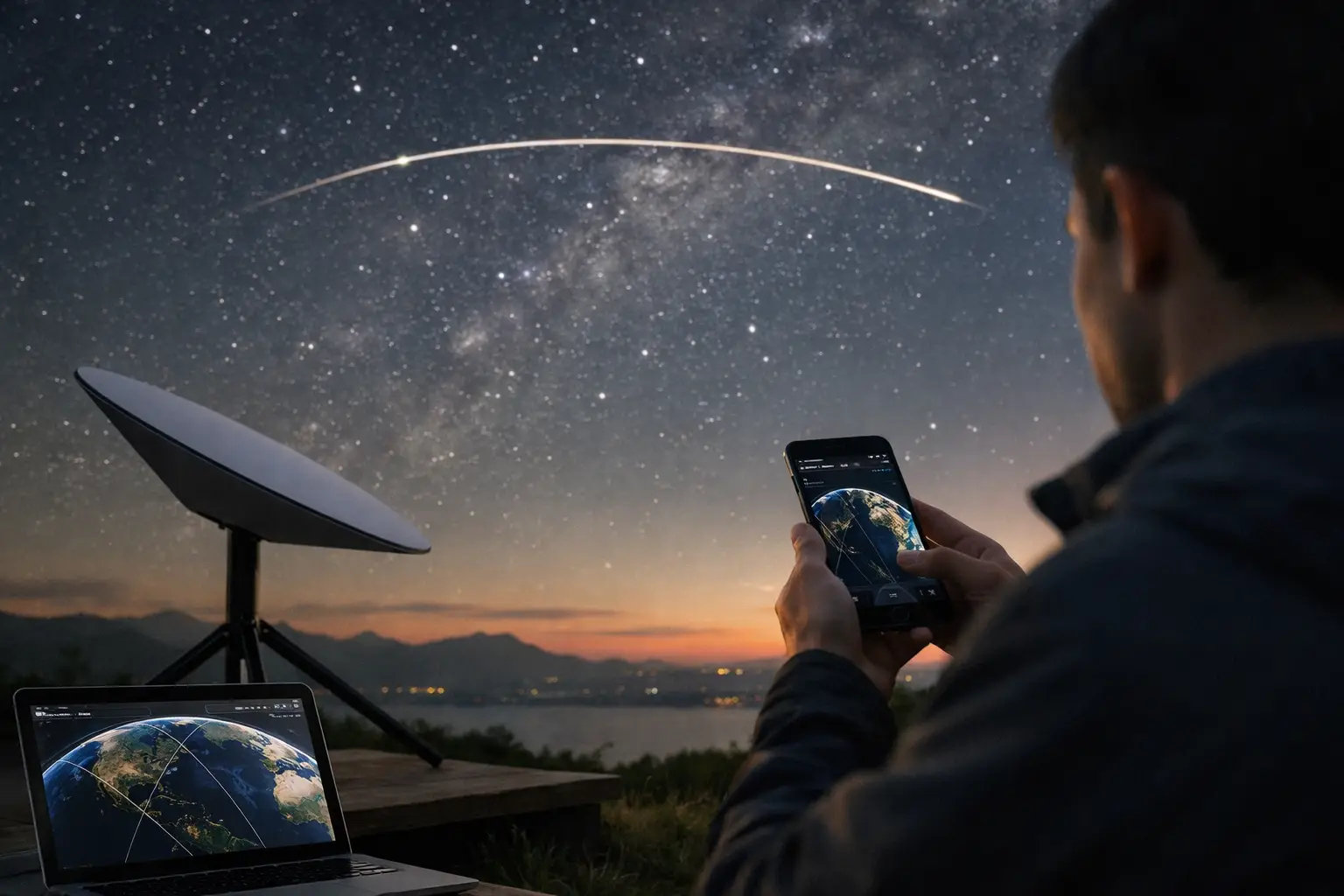
Starlink pass times explained: learn when satellites appear, how brightness and elevation shape visibility, and how to plan a better skywatch with confidence.